
The first meeting
Convened at Curfew House after the threatened demolition of Denmark House in Windsor Street. Chertsey Council gave the new Society its blessing.
Chertsey Museum opens
The Society was closely involved in establishing the Museum at the Old Town Hall. It moved to The Cedars in 1972.
Gravel and Wheeler’s Green
The Gravel Action Group saved The Hollows and Chertsey Meads. A national campaign saved the 16th century Wheeler’s Green cottage from a road scheme.
Lock Keeper’s Cottage
The Society had the 1812 cottage listed, defeating a demolition proposal and preserving a piece of Thames history.
Freda Atkins Memorial Garden
A public appeal restored the neglected Abbey walls and created the memorial garden, opened by Sir Geoffrey Pattie MP.
The Town Crier returns
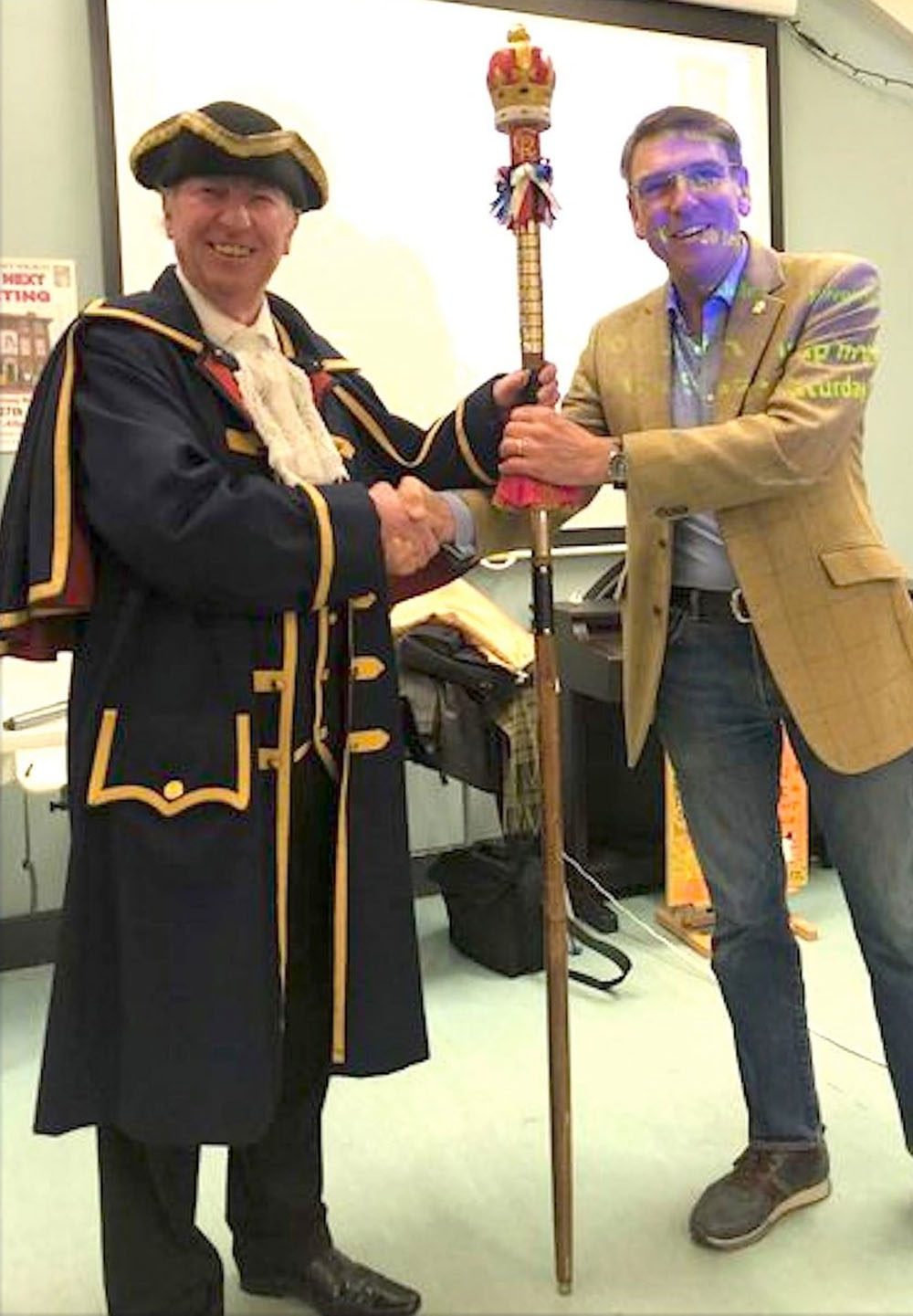
The Society reinstated the historic Office of Town Crier and has sponsored it ever since, with the crier leading the Black Cherry Fair parade each July.
The Tom Banner Collection
Tom Banner left the Society his collection of around 8,000 photographs of the local area, exhibited at Chertsey Museum and now part of our archive.
Still keeping an eye on Chertsey
Reviewing planning applications, running the Town Forum, sponsoring the Town Crier and campaigning on the issues that matter to residents.
Gallery
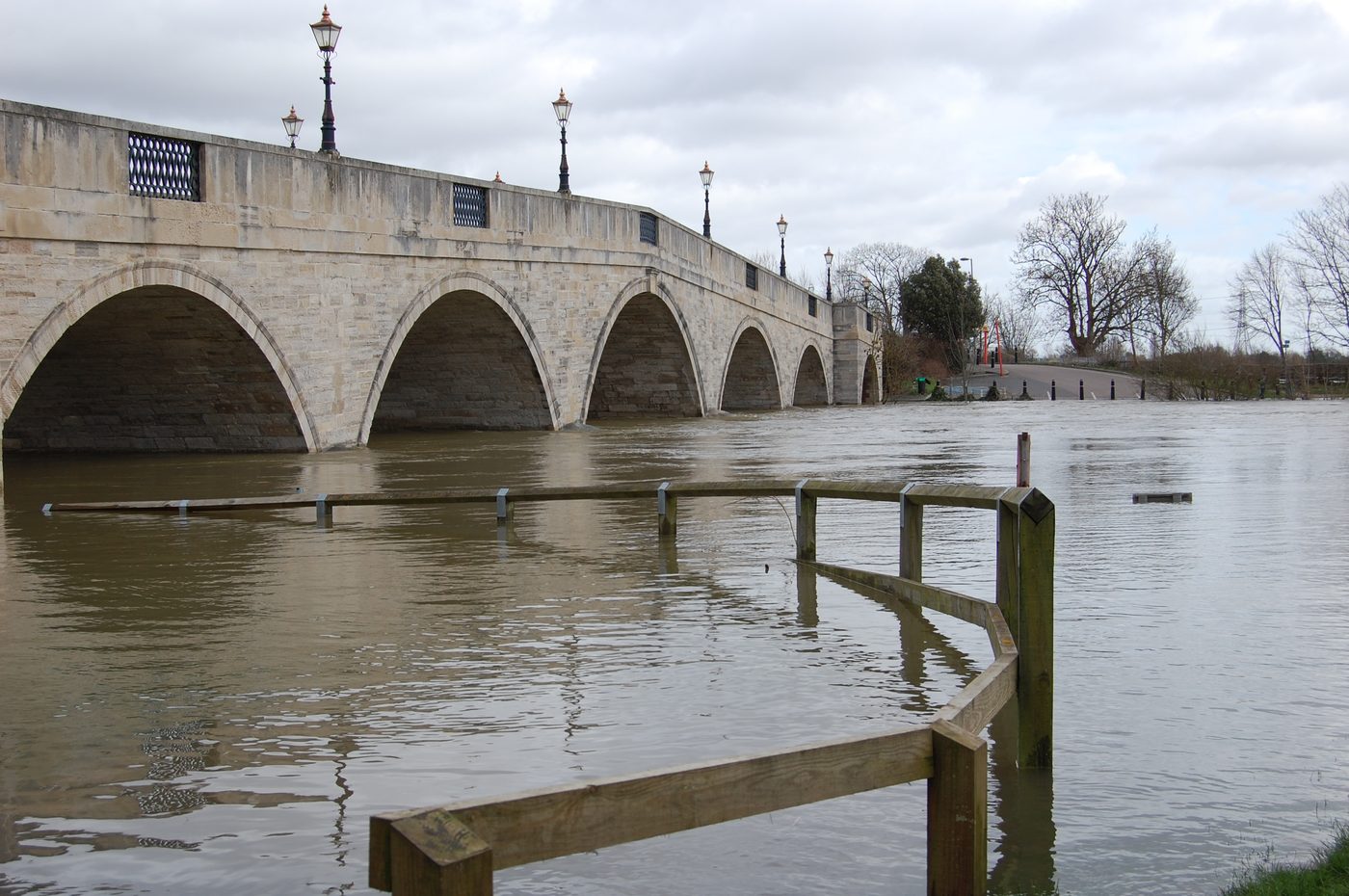
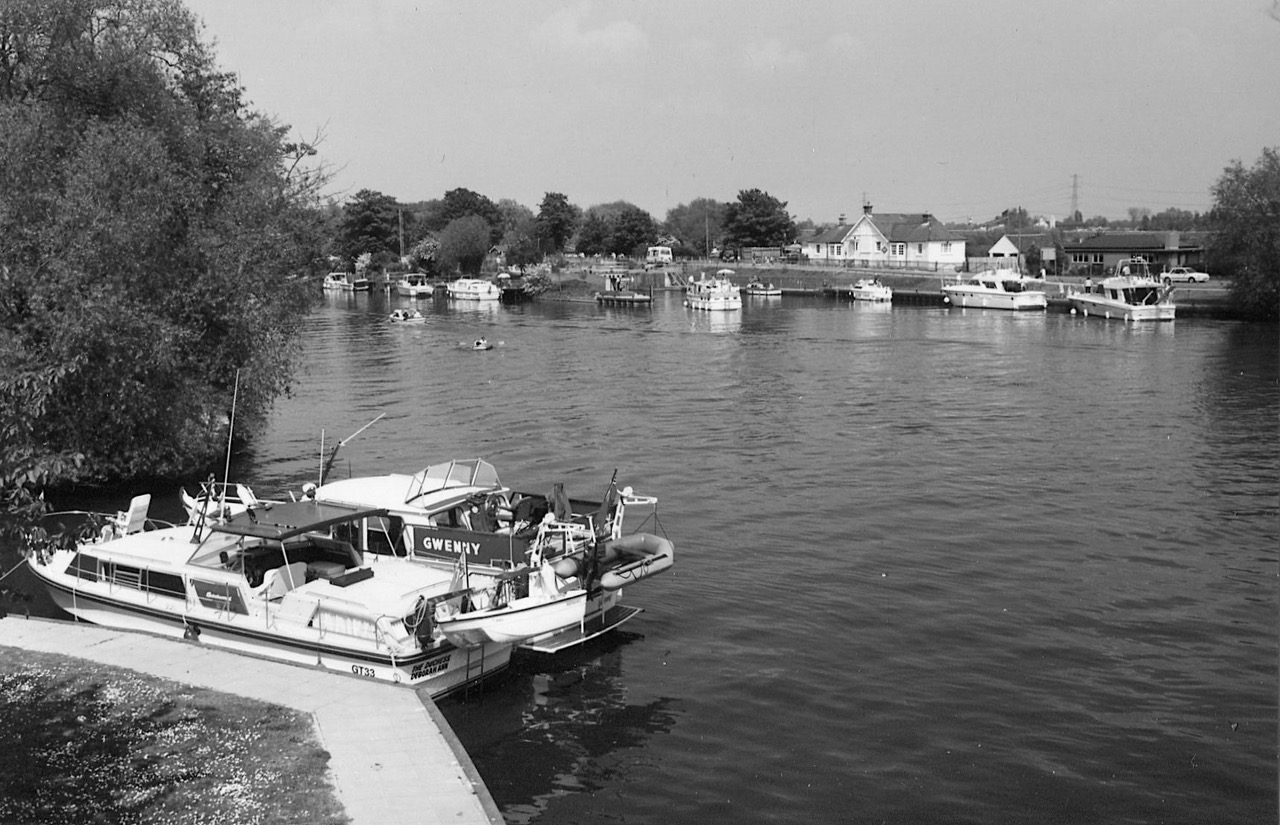
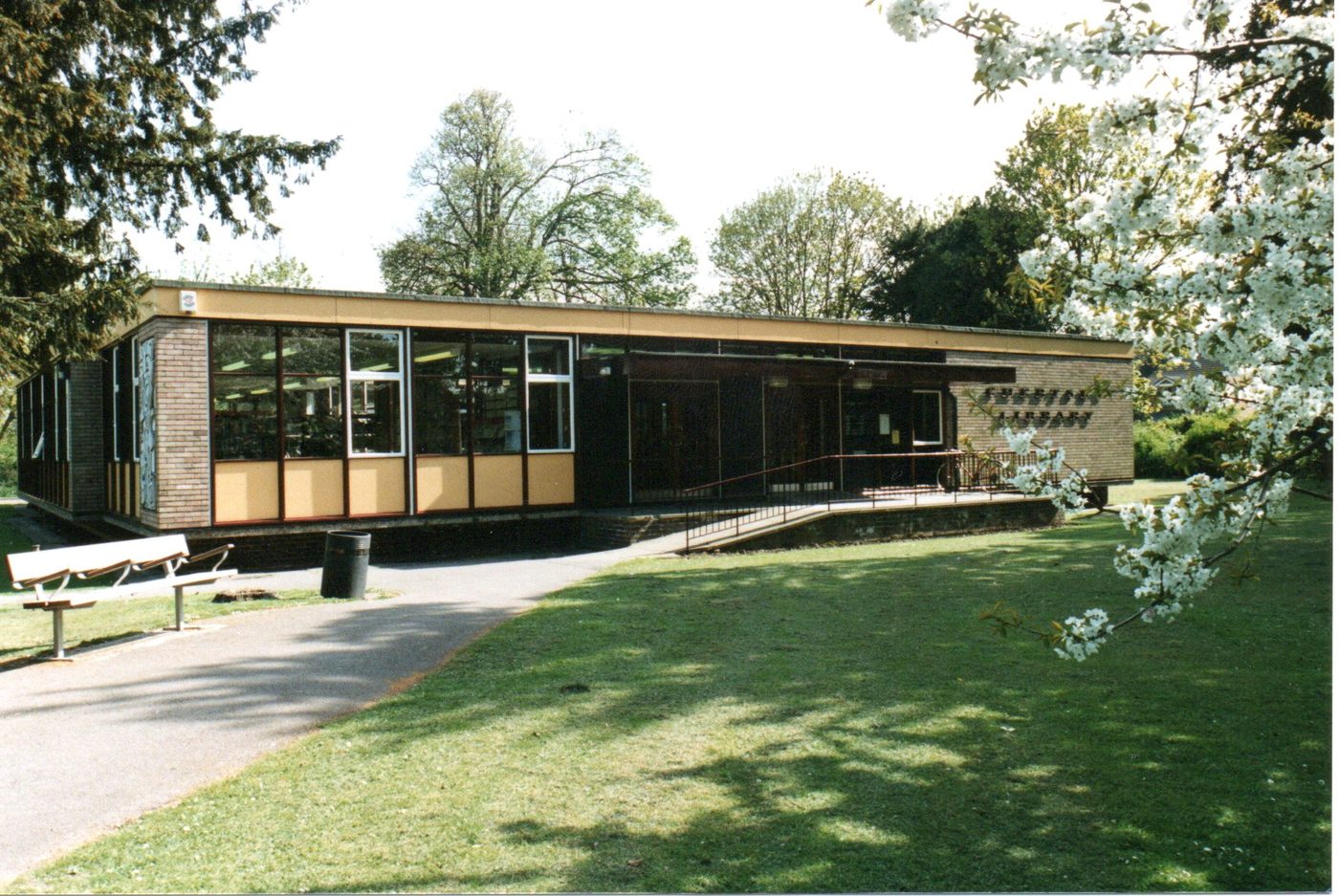
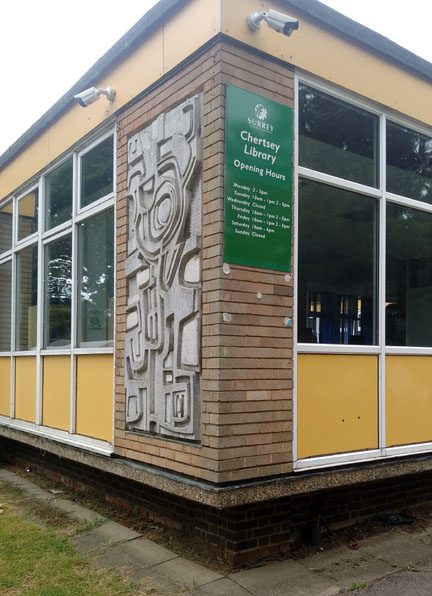
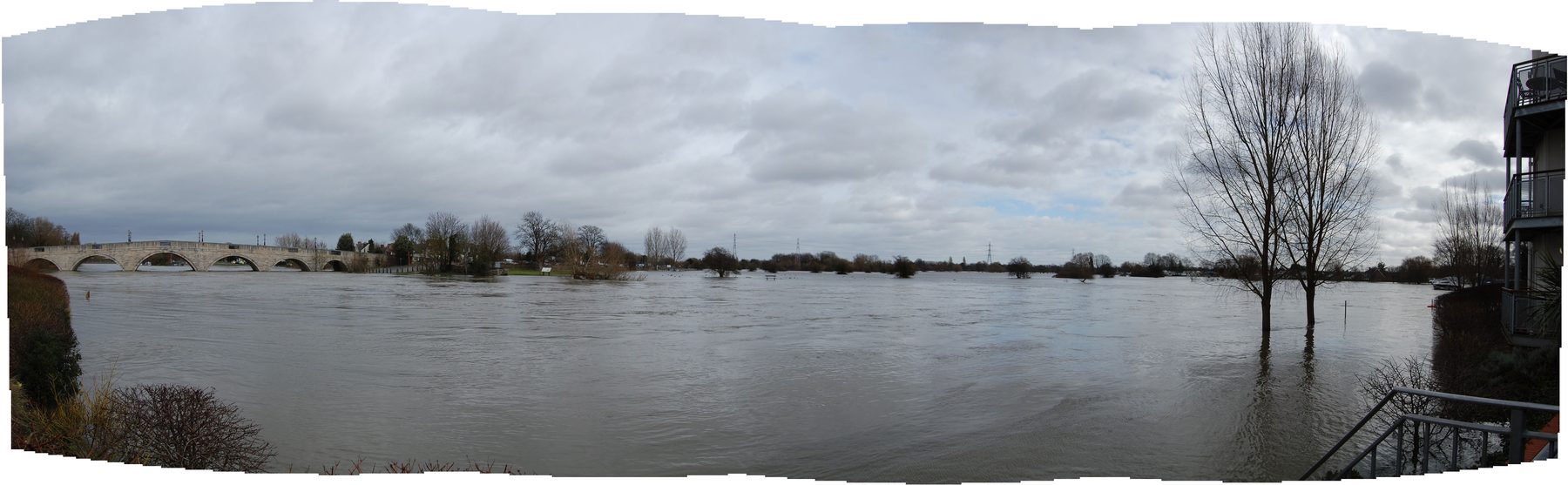
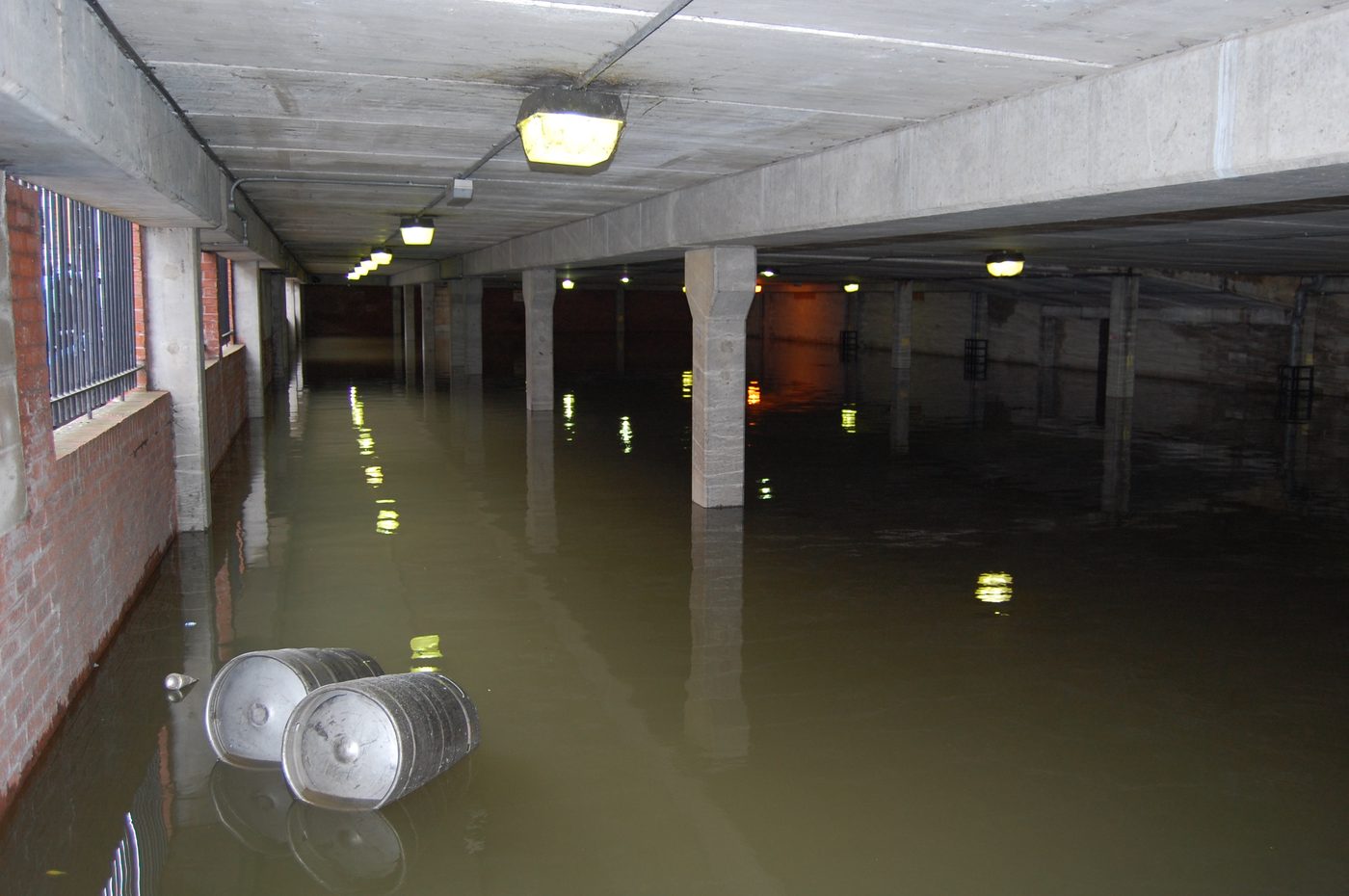
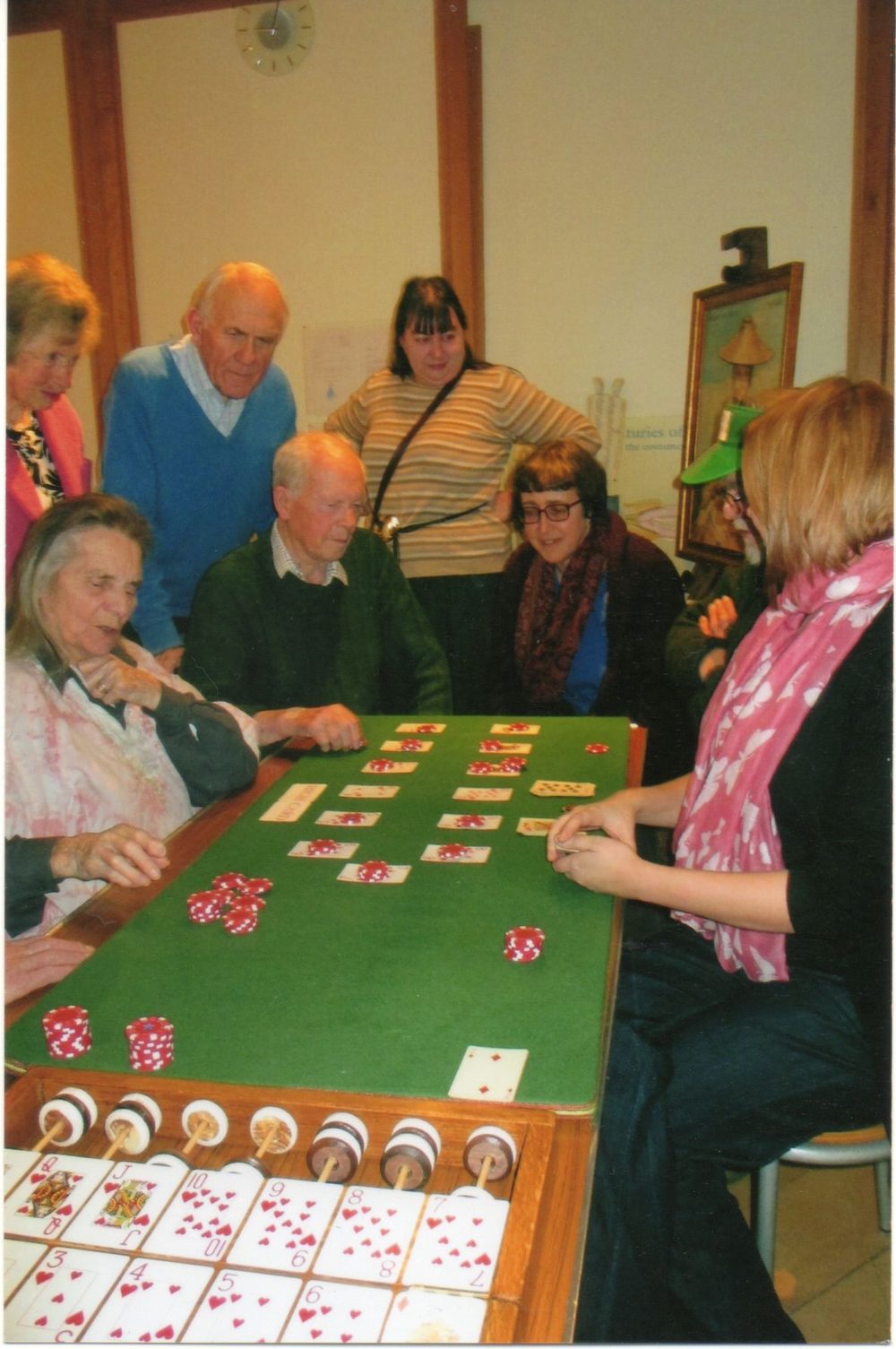
A selection of photographs from the Society’s collection.
Sixty five years of campaigns and causes
Highlights from the Society’s records, researched and written by our members over the years. Click a story to read more.
1960The founding meeting
The catalyst was the threatened demolition of Denmark House in Windsor Street, approved by Chertsey UDC in 1957 but resisted by the county council. In October 1960 like minded residents gathered at Curfew House, home of the Medd family, and The Chertsey Society was born. The Surrey Herald reported that the Council gave the new Society its full blessing, while noting with a smile that there “may be trouble ahead”. The founding objects agreed that evening, preservation, public appreciation of the town’s beauty and history, and good civic design, still guide us today.
1960sEarly successes
Early public meetings were held at The Crown or the parish rooms in London Street. Lobbying by the Society won local residents the right to see and comment on planning applications, and hard work preserved the historic street line in Guildford Street when alterations to the town threatened it. When a scheme was put forward in 1963 to improve the area around Chertsey Bridge, the Society’s proposals were highly commended by The Civic Trust and later implemented by the District Council.
1965Chertsey Museum opens
Chertsey Museum opened on 29th November 1965 at the Old Town Hall, with Mary Daniels as its first curator. The Society was closely involved in its establishment. The Museum moved to The Cedars in Windsor Street in 1972, where we still hold a meeting every year.
1970sThe gravel campaigns
In 1970 Rosalind Wyke led the Gravel Action Group, which prevented gravel raising on The Hollows, Abbey Mead and Chertsey Meads. In the 1980s the Society’s case at the county Minerals Plan enquiry was led by George Elfer, with Malcolm Loveday arguing that Dumsey Meadow, then a Site of Special Scientific Interest, was an integral part of Chertsey Meads and should not be dug. In a satisfying postscript, The Hollows was auctioned in 2010 to a consortium of local residents once the owners accepted permission to extract gravel would never be granted.
1976Wheelers Green saved
The Department of Transport’s proposed route for what is now St Peter’s Way ran straight over Wheelers Green, a 16th century listed cottage off Bittams Lane. The Society, residents and the occupants campaigned to save it, a sit in drew national press and television, and in a farcical mix up the listed building plaque was fixed to a council house at the other end of the lane. Following a 1976 public enquiry at the Old Town Hall the inspector agreed the road should be diverted, and the cottage was saved. It sold at auction in 1979 for £78,000.
1982Lock Keeper’s Cottage
When the Thames Conservancy proposed demolishing the 1812 Lock Keeper’s Cottage by Chertsey Lock, a campaign led by Dorothy Everall persuaded the authorities to have the building listed instead. A new house for the lock keeper was built alongside and the old cottage, which may once have doubled as a tollhouse for river traffic, passed into private ownership.
1985Chertsey Bridge turns 200
In June 1985 members joined the 200th anniversary celebrations of the building of Chertsey Bridge, organised by Victor Spink, including a memorable race of hundreds of numbered yellow plastic ducks down the Thames.
1986Freda Atkins Memorial Garden
Freda Atkins, Chairman from 1979 until her death in 1985 and an actress who appears in The Ipcress File, is remembered in the garden that bears her name. A public appeal led by Vice Chairman Beryl Newman raised the funds to consolidate the neglected Abbey walls, landscape the area and backfill the refectory ovens after their excavation. Sir Geoffrey Pattie MP opened the garden and unveiled the memorial stone in November 1986.
1987The saga of the Abbey Barn
Abbey Barn was probably built to house the workers who dismantled Chertsey Abbey, and it was in the Abbey’s Chapter House that the Book of Common Prayer was drafted in 1548. When the barn came up for auction in 1987 the Society, backed by the Borough Council, formed a trust and bid up to its limit of £235,000 to secure it for the town, but was outbid. The barn’s historic Abbey tiles were donated to Chertsey Museum, and the building has been used as offices since 1990.
1988Chertsey Abbey in print
After years of lobbying by the Society, the Surrey Archaeological Unit finally published its write up of the 1950s excavation of Chertsey Abbey in 1988. The Society hosted the book’s launch at a special meeting in St Peter’s Church.
1990sBlanche Heriot and the curfew bell
Representatives of the Society helped design the statue of Blanche Heriot that stands near Chertsey Bridge, sculpted by Sheila Mitchell. It depicts the 15th century legend of Blanche, who saved her fiancé Neville Audley from execution at curfew by hanging on to the clapper of the curfew bell so it could not ring. The tale inspired the poem “The Curfew Must Not Ring Tonight”, said to be a favourite of Queen Victoria.
1990sCowley’s Almshouses
The almshouses were first erected in London Street in 1671 and rebuilt in Guildford Road in 1786. When redevelopment of the land south of the railway station threatened to clear the whole site, the Society objected to their demolition and secured their extensive rebuilding to modern standards, keeping another piece of Chertsey’s heritage in place.
1993The Town Crier returns
At the suggestion of Jocelyn Barker the Society reinstated the role of Town Crier, with the cost of the costume kindly given by Norman Rogers in memory of his wife. The office has been held by Robert Knock, Michael Dollery and Terry Pattinson, leading the Black Cherry Fair parade, opening shops and lending pageantry to town occasions. More about the Town Crier.
2003The Tom Banner Photographic Collection
Tom Banner, for many years on the staff at Holloway Sanatorium, was a passionate photographer. When he died in 2003, aged 87, he left the Society his collection of around 8,000 photographs of the local area together with a legacy. An exhibition of his photographs and cameras was mounted at Chertsey Museum in 2006.
ProgrammesThe winter programme through the years
Our winter talks have covered a remarkable range over the decades: costumes on the Titanic, Big Ben, the deer of Windsor Great Park, the Basingstoke Canal restoration, Henry VI, Richard III and Chertsey Abbey, the eyots and aits of the Thames, a steeplejack’s tales, a year as Mayor of Runnymede and a BAFTA nominee’s career in film special effects before CGI. The tradition continues every winter, with the Town Forum each year and an annual visit to Chertsey Museum.